
Wedding Planning Timeline: A Simple 12–18 Month Guide to Planning Your Wedding
- Whole Lotta Love Weddings

- Apr 1
- 5 min read
Updated: Apr 5
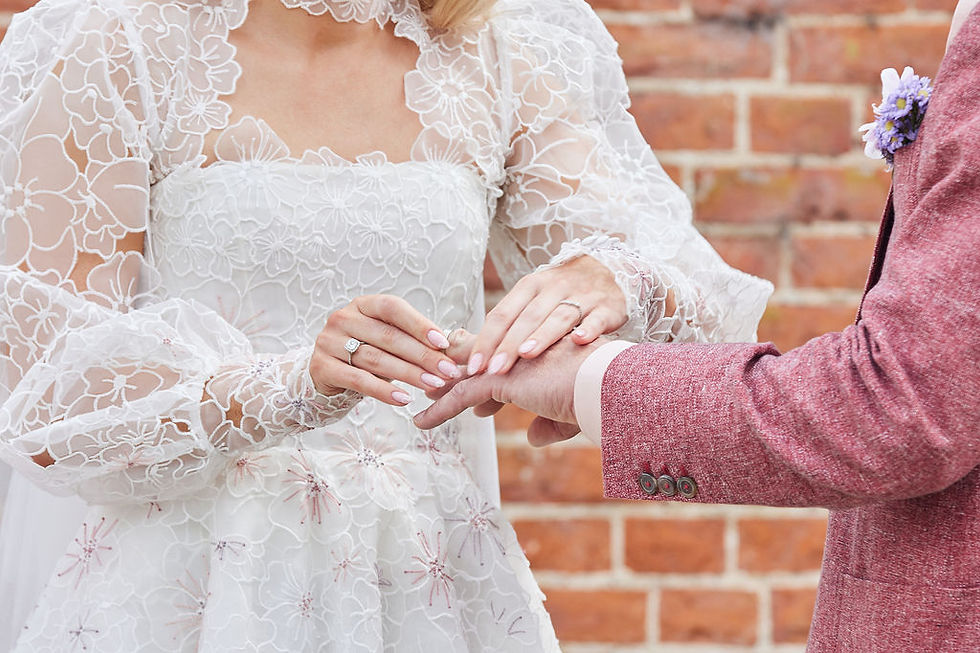
Planning a wedding is one of the most exciting journeys you’ll take as a couple. But once the initial excitement of the engagement settles, a very practical question quickly appears:
When should we actually do everything?
Between venues, suppliers, budgets and design decisions, wedding planning can easily feel overwhelming if you don’t have a clear timeline.
Most weddings in the UK take 12–18 months to plan, although some couples plan faster and others take longer. The key is understanding what to prioritise first so that each decision naturally supports the next.
Here’s a simple wedding planning timeline to help you stay organised and confident throughout the process.
12–18 Months Before the Wedding
Set the Foundations
This stage is all about the big decisions that shape the rest of your wedding.
Start with:
• discussing your vision for the wedding
• setting an initial budget
• drafting a guest list estimate
• researching potential venues
Your venue will influence almost everything that follows — from guest capacity and catering options to the overall style of the day — so this is usually the first major booking couples make.
If you're considering working with a wedding planner, this is also the ideal time to explore your options.
10–12 Months Before the Wedding
Book Your Key Suppliers
Once your venue is confirmed, you can begin securing the suppliers who will bring your wedding to life.
These typically include:
• photographer and videographer
• caterer (if not included with the venue)
• florist
• entertainment or band
• planner or stylist
The most sought-after suppliers often book up well over a year in advance, particularly for peak summer dates, so it's worth securing your favourites early.
8–10 Months Before the Wedding
Develop the Design
Now the creative side of wedding planning begins to take shape.
This is when you start refining:
• your colour palette
• floral direction
• table styling and décor
• stationery design
• lighting and atmosphere
A cohesive design helps create a celebration that feels thoughtfully curated and reflective of you as a couple.
6–8 Months Before the Wedding
Guest Experience & Details
At this stage you can begin focusing on the guest experience.
Key tasks include:
• sending save-the-dates
• organising guest accommodation
• planning ceremony details
• researching transport logistics
• booking additional suppliers if needed
These elements start to transform your wedding from an idea into a fully planned event.
3–6 Months Before the Wedding
Finalise the Details
Now is the time to confirm many of the decisions you’ve been developing.
You may be:
• finalising the menu
• confirming floral designs
• reviewing your timeline for the day
• organising attire fittings
• planning the ceremony structure
Your suppliers will also begin coordinating with one another to ensure everything runs smoothly.
Final 1–2 Months
Bring Everything Together
As the wedding approaches, the focus shifts to logistics and confirmation.
This often includes:
• final guest numbers
• seating plans
• supplier timelines
• final payments
• rehearsal arrangements
By this point, everything should feel organised and ready to unfold beautifully.
A Shorter Timeline: What Changes When You Have 6 Months
While a 12–18 month timeline is still the most common approach, more couples are now choosing to plan their wedding in a much shorter timeframe—often around six months.
And while it’s absolutely possible, it’s important to understand that this isn’t simply a compressed version of a longer plan.
It’s a different process entirely.
The Biggest Difference: Everything Happens at Once
With a longer timeline, each stage flows into the next.
You have space to:
define your vision
secure the right suppliers
develop your design
refine the details
With a six-month timeline, many of these decisions happen simultaneously.
You’re often:
researching venues while contacting suppliers
making design decisions before everything is fully confirmed
finalising logistics much earlier in the process
This can feel efficient—but it also requires much quicker decision-making and far more clarity from the outset.
Availability Becomes a Key Factor
One of the biggest shifts with a shorter timeline is availability.
Rather than selecting every element based purely on preference, you may need to be more flexible with:
venues
key suppliers
dates and timings
This doesn’t mean compromising on quality—but it does mean approaching decisions more strategically.
Design Needs to Be Decisive
With 12–18 months, design can evolve over time.
With six months, there’s less room for exploration.
Your aesthetic direction needs to be clear early on so that:
your suppliers are aligned from the start
decisions feel cohesive rather than reactive
the overall look of the day feels intentional, not pieced together
Logistics Carry More Pressure
A shorter timeline leaves less margin for error.
Elements such as:
guest accommodation
transport
timelines and scheduling
all need to be organised efficiently and often earlier than couples expect.
Why the Starting Point Matters Even More
Perhaps the biggest difference is this:
With a longer timeline, there’s space to adjust as you go.
With a shorter timeline, your early decisions carry much more weight.
Getting clear on:
your priorities
your budget allocation
your overall direction
from the very beginning makes the entire process significantly smoother.
Planning with Confidence on a Shorter Timeline
A six-month wedding can feel just as considered, calm, and beautifully executed as one planned over a year.
But it requires a more focused, intentional approach from the outset.
Understanding what to prioritise—and how each decision connects—is what allows everything to come together seamlessly, even within a shorter timeframe.
Why Many Couples Feel Stuck at the Beginning
While a timeline can be helpful, many couples still feel unsure about where to begin or how to prioritise their decisions.
Should you start with the venue?
Should you define the design first?
How should your budget actually be allocated?
These early decisions shape the entire wedding — which is why getting them right from the start makes such a difference.
A More Considered Way to Start Planning
Whether you’re planning over 12 months or working to a much shorter timeline, the part that makes the biggest difference is always the beginning.
It’s where the most important decisions are made—often without a clear framework to guide them.
Questions like:
Where should we actually start?
What’s worth prioritising early on?
How should we be allocating our budget?
How do we make sure everything feels cohesive later?
These are the decisions that shape the entire wedding.
And when they’re made with clarity, everything that follows becomes significantly easier.
If You Want to Approach It Differently
If you’re at the early stages and want to feel confident in the direction you’re taking, I offer a Wedding Planning Strategy Advisory designed specifically for this point in the process.
Across three focused consultations, we step back and look at your wedding as a whole—before anything is rushed or committed to.
Together, we define:
your overall vision and priorities
a clear and realistic budget structure
your design direction and aesthetic
a considered approach to venues and suppliers
So that every decision moving forward feels intentional, aligned, and far less overwhelming.
Start with the Right Foundation
Planning a wedding should feel exciting—not uncertain.
And having a clear, well-considered plan from the outset is what allows the entire process to unfold with confidence.
This is also where having a clear approach to planning makes all the difference—especially if you want your decisions to feel considered rather than reactive.
You can read more about how I approach wedding planning [here].

Comments